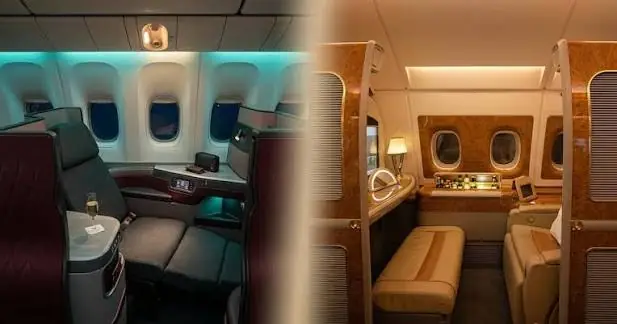
Compare First Class Airline Tickets: In-Depth Evaluation & Analysis
International commercial aviation relies on intricate revenue management systems. These systems dynamically adjust ticket pricing based on route demand, seasonality, and corporate contracts. Within this structure, long-haul first class sits at the apex of commercial passenger transport.
Evaluating premium air travel requires moving beyond marketing brochures. Physical seat dimensions, cabin configurations, alliance networks, and loyalty redemptions vary significantly across international carriers. A structured, comparative approach helps travelers identify high-value options while avoiding common pitfalls.
This comprehensive guide provides an analytical framework for comparing long-haul premium products. By examining passenger hard products, ground infrastructure, redemption mechanics, and operational vulnerabilities, travelers can systematically evaluate long-distance flight options.
Understanding “compare first class airline tickets”
The phrase compare first class airline tickets refers to a systematic evaluation process applied to top-tier commercial flight products. Rather than comparing prices alone, an effective evaluation assesses physical cabin space, routing logistics, loyalty program mechanics, and overall service delivery.
Primary Comparison Dimensions
Physical Cabin Environment
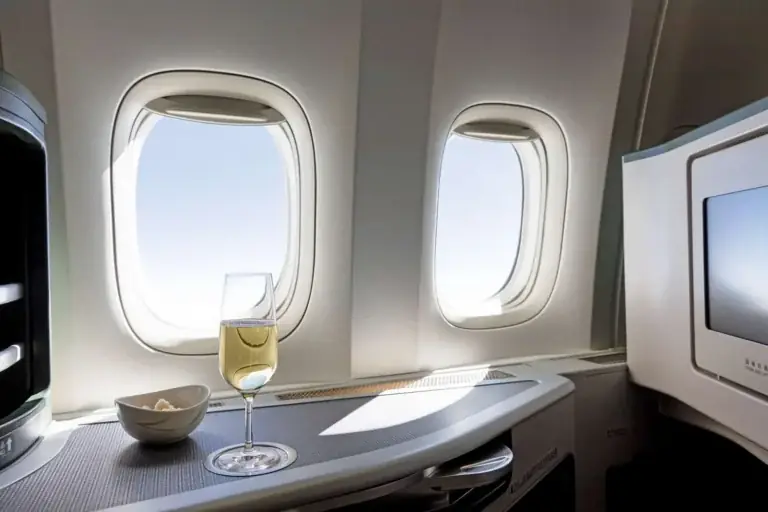
Evaluating seat pitch, suite enclosure height, bed width, and storage options. Noise insulation and cabin humidity levels also affect long-haul comfort.
Ground Infrastructure and Services
Assessing dedicated check-in lobbies, private security lines, tarmac chauffeur transfers, and flagship lounge dining.
Fare Rules and Redemption Value
Analyzing refundability terms, change penalties, award availability rules, carrier surcharges, and mileage accrual rates.
Disentangling Cabin Terminology
Travelers often confuse domestic first class or long-haul business class with true international first class. Domestic first class generally offers larger seats without lie-flat capability. International business class provides flat beds but higher passenger density. International first class offers personalized service, exceptional ground amenities, and significantly larger personal space.
Deep Contextual Background
The evolution of premier airline cabins mirrors shifts in global economic trends and commercial aircraft design. Following international deregulation, major flag carriers competed primarily on service luxury, gourmet dining, and cabin space.
The Rise of Lie-Flat Business Class
In the late 1990s, airlines introduced fully lie-flat seating in business class. This innovation altered aircraft economics. Corporate travel managers shifted policy toward business class, which provided rest at lower costs. Consequently, airlines reduced first class cabin sizes, reallocating aircraft space to expand business class capacity.
Shift Toward Ultra-Exclusive Suites
With fewer first class seats per aircraft, carriers transformed remaining space into luxury suites. Sliding doors, dual seat-and-bed setups, and onboard showers were introduced on flagship wide-body aircraft. First class transitioned from a standard corporate travel product into an exclusive halo experience for high-net-worth individuals and elite frequent flyers.
The Role of Transferable Points Systems
The growth of credit card rewards programs transformed how travelers access premium cabins. Flexible point systems allow passengers to move currency directly to airline partners when award space opens, shifting reliance away from single-carrier loyalty schemes.
Conceptual Frameworks and Mental Models
Comparing complex flight products requires consistent evaluation frameworks. These models allow travelers to weigh competing options logically.
The Total Travel Time vs. Comfort Trade-Off
A direct flight in a standard lie-flat seat often provides better total rest than a connecting flight in a luxury suite. Travelers must evaluate whether superior cabin comfort justifies additional travel hours and transit friction.
The Net Value Redemption Formula
Evaluating point redemptions requires incorporating cash surcharges and taxes. Calculating the true value per point prevents spending valuable rewards on tickets burdened with excessive fees.
The Fleet Configuration Consistency Index
Carriers often operate multiple cabin designs across different aircraft types. Evaluating fleet consistency helps travelers avoid unexpected aircraft swaps to older, less comfortable seats.
Key Categories or Variations
Comparing premier options involves classifying products based on physical layout, route networks, and service styles.
Enclosed Floor-to-Ceiling Suites
Enclosed suites provide complete visual privacy, personal climate control, and custom lighting options. They are typically found on select ultra-long-haul routes operated by flagship wide-body jets.
Open-Architecture Flagship Suites
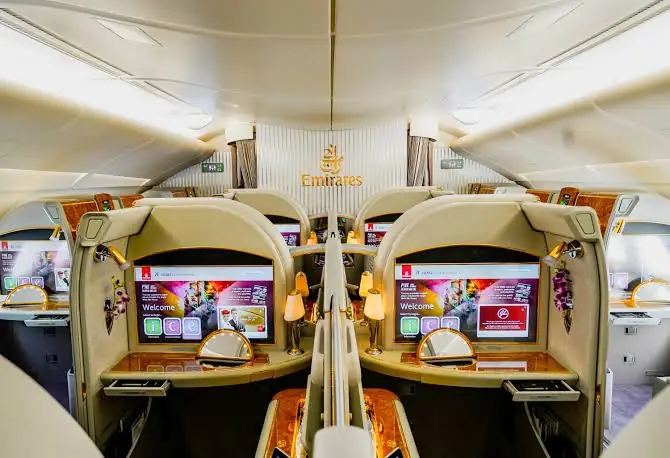
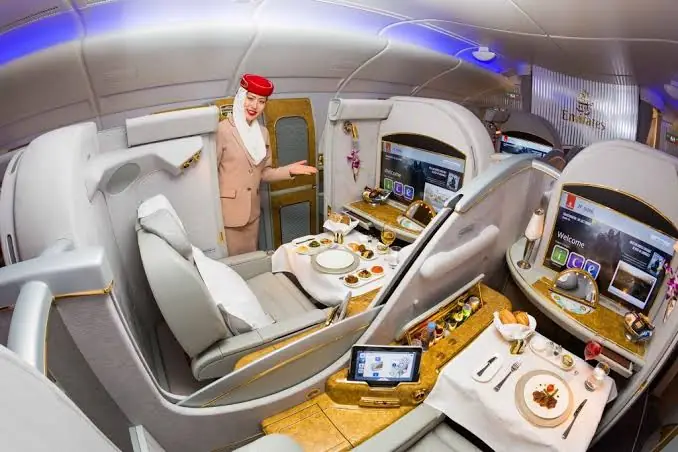
Common among East Asian carriers, open suites prioritize roominess, wide seating, and smooth crew service over physical doors. These cabins feel open while preserving aisle privacy.
Dual Seat-and-Bed Layouts
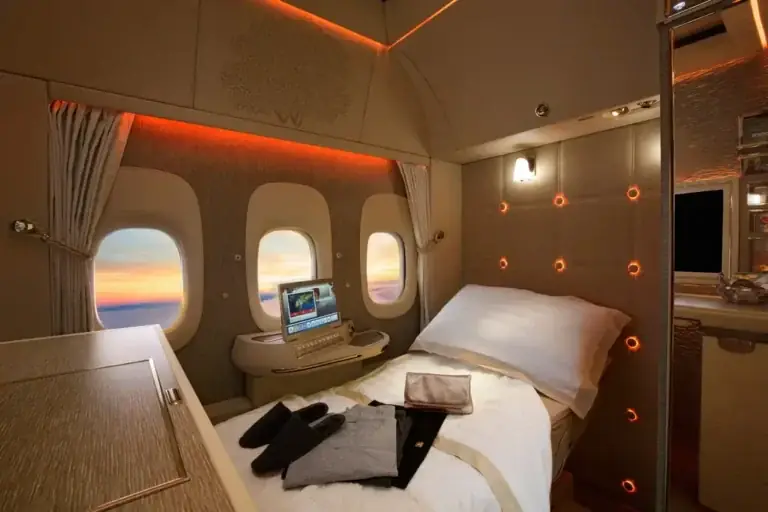
Some airlines offer a separate permanent bed alongside an armchair within a single broad suite. This eliminates converting seats into beds during flight, providing maximum convenience.
Multi-Room Suites
Operating on select super-jumbo aircraft, multi-room suites offer separate living areas, private vanity spaces, and exclusive shower access. They represent the peak of commercial aviation luxury.
First Class Product Comparison Matrix
Practical Decision Guidance
To compare first class airline tickets effectively, travelers must weigh physical cabin comfort against schedule efficiency. A non-stop flight on an open suite is often preferable to a connecting flight on a multi-room suite when time is limited.
Detailed Real-World Scenarios
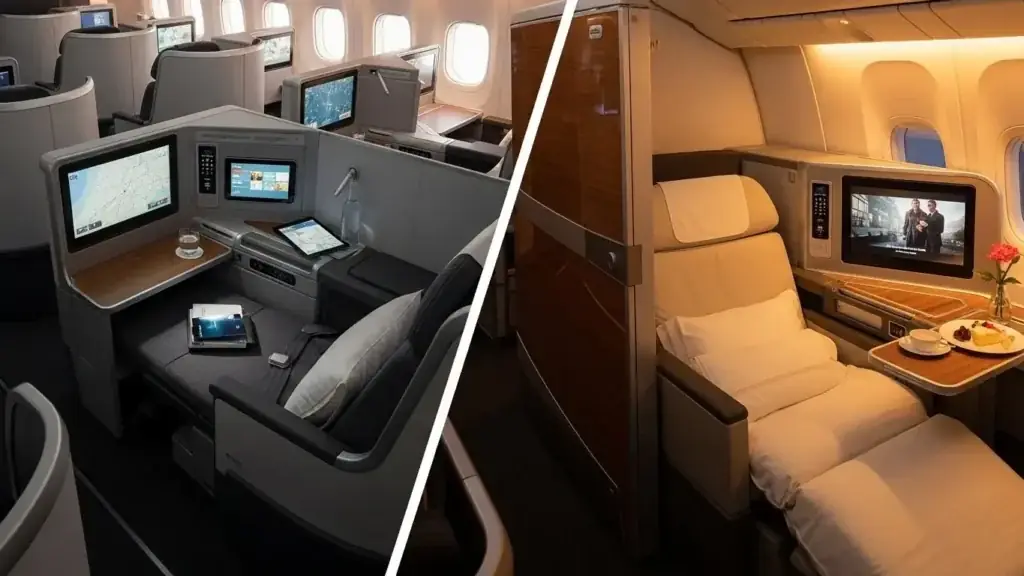
Analyzing real-world scenarios highlights how practical constraints impact flight choices.
Scenario 1: Transatlantic Ground Services Optimization
A passenger seeks a premier ground experience for a transatlantic trip. Booking a direct business class ticket saves time but skips flagship lounge amenities. Choosing a major gateway hub allows access to private first class check-in terminals, gourmet dining, and chauffeur transfers directly to the plane.
Scenario 2: Managing Last-Minute Award Inventory
An airline opens first class seats to partner programs only within 72 hours of departure. A traveler books a flexible business class award early. Using inventory tracking tools, the passenger monitors availability. When first class seats open, the traveler rebooks the ticket with minimal extra fees.
Scenario 3: Equipment Swap Resolution
An airline changes scheduled aircraft three weeks before departure, replacing a flagship suite with an older seat model. The passenger contacts the airline, cites the cabin change, and requests a penalty-free rerouting through a different hub operating the updated suite.
Scenario 4: Complex Multi-Carrier Itinerary
Designing an itinerary across partner airlines requires careful connection planning. Short layovers increase the risk of delayed luggage or missed flights. Booking a four-hour layover provides ample time to enjoy ground lounges while protecting against flight disruptions.
Planning, Cost, and Resource Dynamics
Evaluating premium travel options involves assessing direct cash expenditures, point valuations, and secondary transit costs.
Financial Resource Comparison Table
Evaluating Cash vs. Points Redemptions
Points represent real financial value. When cash surcharges on an award ticket approach the price of a discounted business class fare, using points yields lower financial returns. Travelers should calculate net redemption value before confirming bookings.
Tools, Strategies, and Support Systems
Navigating premium flight redemptions requires tracking platforms, search tools, and structured booking workflows.
Essential Evaluation Tools
-
Global Inventory Aggregators: Specialized search engines tracking award availability across multiple airline networks.
-
Aircraft Tail Trackers: Databases showing historical flight assignments and current cabin configurations.
-
Seat Map Trackers: Tools providing detailed cabin layouts and real-time seat availability.
-
Flexible Rewards Portals: Financial platforms offering instant point transfers to partner frequent flyer programs.
Risk Landscape and Failure Modes
Unexpected disruptions can alter even well-planned itineraries. Identifying operational risks helps protect travel plans.
Key Risk Categories
-
Aircraft Substitutions: Operational changes replacing flagship suites with legacy seating.
-
Phantom Inventory: Search engine errors showing unavailable award space.
-
Program Devaluations: Unannounced award chart price increases by loyalty programs.
-
Irregular Operations: Flight delays causing missed long-haul connections with limited replacement seats.
Governance, Maintenance, and Long-Term Adaptation
Maintaining an effective long-haul flight strategy requires active management of points balances and booking habits.
Portfolio Management Checklist
-
Keep Points Flexible: Store rewards in transferable credit card programs until ready to book.
-
Track Account Expiration: Review frequent flyer account activity to keep points active.
-
Monitor Aircraft Assignments: Check seat maps regularly before departure to identify equipment swaps early.
-
Establish Backup Routings: Identify secondary flights or business class options in case primary space becomes unavailable.
Measurement, Tracking, and Evaluation
Assessing flight values requires quantitative metrics along with subjective comfort observations.
Primary Evaluation Metrics
-
Net Valuation Per Point: Calculated as
(Equivalent Cash Fare - Taxes Paid) / Points Expended. -
Ground Service Quality Score: Rating private check-in efficiency, lounge dining quality, and transfer convenience.
-
In-Flight Sleep Index: Evaluating mattress padding, cabin noise levels, temperature control, and bed length.
Common Misconceptions and Oversimplifications
Myth 1: First Class Is Always Superior to Business Class
Modern business class suites offer excellent privacy and flat beds. On shorter overnight routes, business class often provides comparable sleep quality at a lower cost.
Myth 2: Sliding Suite Doors Guarantee Better Rest
Doors provide visual privacy but do not block cabin noise. Seat width, bedding quality, and cabin temperature are more important for sleep quality.
Myth 3: Transferring Points Early Secures Seats Faster
Transferring points without confirmed award availability traps currency in a single airline program. Always verify live inventory before moving rewards.
Ethical, Practical, or Contextual Considerations
Evaluating long-haul first class travel involves considering environmental impact and service culture nuances. First class suites occupy more floor space per seat than economy rows, resulting in a larger carbon footprint per passenger. Additionally, service styles vary by region. Understanding cultural differences helps passengers set realistic expectations and enjoy smoother interactions with inflight crews.
Strategic Synthesis and Conclusion
Comparing long-haul premier flight products requires analytical rigor, market knowledge, and flexible planning. By systematically evaluating cabin design, ground amenities, fare mechanics, and operational risks, travelers can make informed decisions. Choosing the right product involves matching individual travel preferences with optimal flight schedules and fleet configurations.
Ultimately, successful flight planning comes down to maintaining flexible rewards balances, using tracking tools effectively, and adapting when schedules change. With careful research and execution, high-cabin air travel becomes a predictable, comfortable, and deeply rewarding experience.