Best First Class Suites for Long Haul Flights: Ultimate Review
Commercial aviation operates under precise engineering standards, strict weight distribution requirements, and complex yield management models. High-end passenger cabins occupy a small physical footprint on long-haul aircraft. However, these spaces account for a significant share of flagship carrier revenues and brand prestige.
Evaluating long-distance flight products requires looking beyond superficial marketing imagery and standard amenity lists. Physical cabin geometry, suite enclosures, noise suppression, and environmental controls vary greatly across international airlines. Carrier fleet choices and route economics heavily shape the inflight passenger experience.
This analytical article examines the spatial engineering, redemption mechanics, and operational realities of premier transoceanic cabins. By analyzing suite layouts, fleet consistency, award inventory protocols, and risk factors, travelers can evaluate global options effectively.
Understanding “best first class suites for long haul flights”
The phrase best first class suites for long haul flights describes a comprehensive assessment framework for elite commercial aviation cabins. An accurate evaluation goes beyond basic seat width or champagne selections. A complete review covers physical privacy enclosures, seat-to-bed conversion mechanics, cabin acoustics, ground escort services, and award seat access.
Structural Dimensions of Suite Evaluation
Physical Living Space and Ergonomics
Bed length, seat width, footwell volume, and side-table real estate define physical comfort. Effective layouts provide spacious environments while maintaining intuitive access to lighting, power, and seat controls.
Privacy Enclosures and Acoustic Control
Enclosed suite doors, partition wall heights, and sound-dampening materials protect passengers from cabin noise. Reduced visual and auditory distractions improve rest quality on long flights.
Award Inventory and Program Mechanics
A high-end suite provides little value if award inventory remains unavailable to travelers. Program accessibility, partner redemption rules, and chart stability dictate practical availability.
Distinguishing Business Class from First Class Suites
Travelers frequently confuse modern business class suites with flagship first class cabins. Modern business class provides sliding privacy doors and flat beds. However, flagship first class offers lower cabin density, higher crew-to-passenger ratios, exclusive tarmac transfers, private terminal dining, and significantly larger living space.
Ground Service Differentiation
Exclusive check-in lobbies eliminate standard airport friction points completely. Escorts guide passengers through private security channels directly into dedicated lounges.
Cabin Density Realities
First class cabins accommodate four to eight passengers per section. Lower capacity ensures quiet cabin environments and personal attention from dedicated inflight crews.
Deep Contextual Background
The evolution of commercial first class suites aligns with changes in wide-body aircraft manufacturing and corporate travel trends. Early international first class featured wide reclining armchairs with limited personal privacy.
Introduction of Enclosed Cabin Architecture
During the early 2000s, flag carriers introduced enclosed suites with sliding privacy doors. This spatial innovation created private rooms inside wide-body aircraft cabins. As business class adopted lie-flat seats, airlines expanded suite dimensions to maintain clear product separation.
Evolution of Super-Jumbo and Wide-Body Layouts
The arrival of double-deck super-jumbos allowed airlines to rethink cabin architecture completely. Designers used wider cabin floor space to introduce dual seat-and-bed combinations, private vanity areas, and onboard shower spas. Modern twin-engine wide-bodies now focus on weight-efficient composite materials and advanced environmental controls.
Impact of Flexible Financial Currencies
The rise of flexible credit card rewards altered how travelers access premium cabins. Flexible points systems allowed passengers to transfer rewards directly to airline partners when award space opened. This shift forced carriers to adjust award seat availability and partner access protocols dynamically.
Historical Fleet Transitions
Airlines shifted from four-engine aircraft to efficient twin-engine jets. This fleet evolution altered cabin dimensions, forcing designers to optimize spatial efficiency inside narrower fuselages.
Loyalty Program Dynamics
Airlines monetized frequent flyer programs by selling points to banking institutions. Increased point balances created higher competition for limited long-haul award seats.
Conceptual Frameworks and Mental Models
Evaluating long-haul suites requires structured analytical frameworks. These models enable logical comparisons between competing flight options.
Spatial Efficiency Ratio
This metric evaluates usable floor surface area relative to total suite footprint. Superior suite designs maximize bed width and side-table utility without compromising legroom or aisle access.
Ground-to-Air Utility Spectrum
Ground infrastructure forms a substantial portion of first class value. Private terminal escorts, chauffeur tarmac transfers, and fine dining options elevate the overall journey. On shorter long-haul routes, ground services often outweigh minor cabin differences.
Fleet Variant Heterogeneity Index
Airlines frequently operate different cabin generations across their fleets. A carrier may fly modern enclosed suites on new wide-body aircraft while maintaining legacy open suites on older jets. Calculating fleet consistency prevents unexpected downgrades during aircraft substitutions.
Key Categories or Variations
Comparing top long-haul options involves categorizing products by physical layout, door height, and spatial design.
Fully Enclosed Floor-to-Ceiling Suites
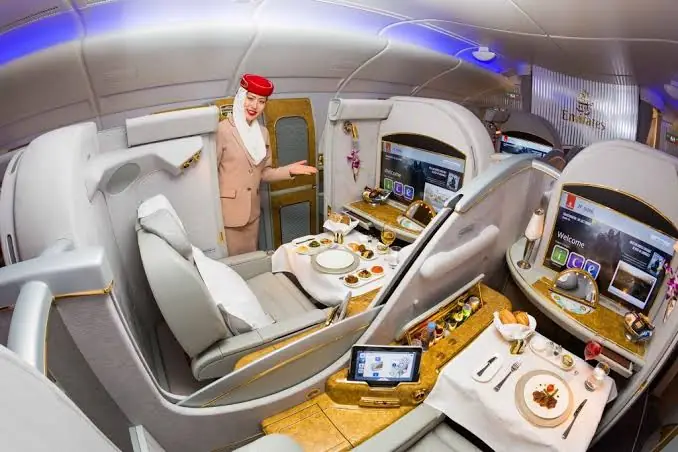
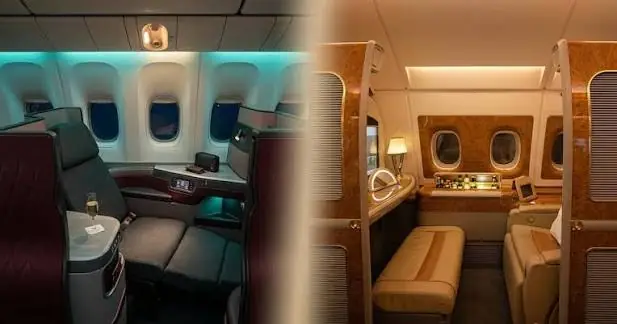
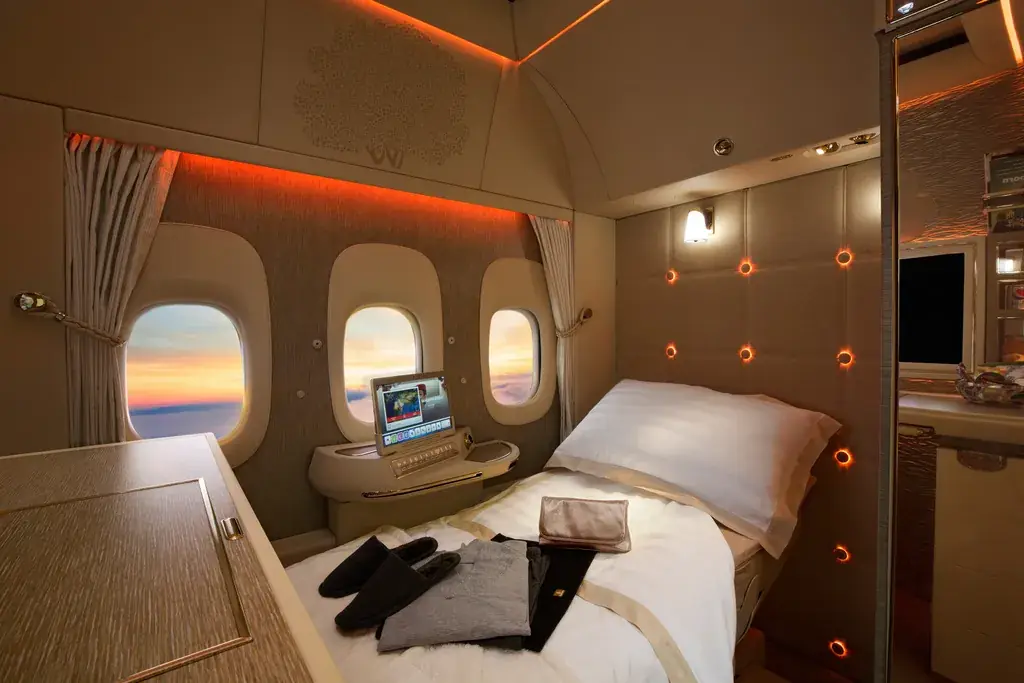
Featuring floor-to-ceiling walls and sliding doors, these suites offer complete visual privacy, individual temperature controls, and custom lighting setups.
Open-Architecture Flagship Suites
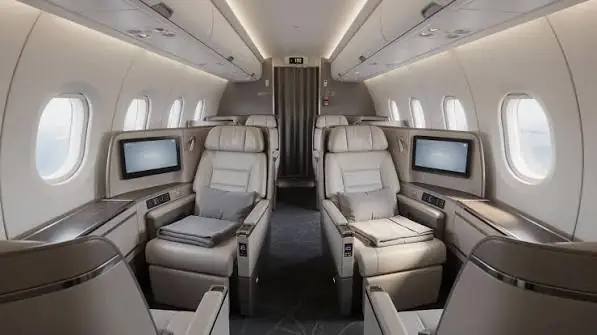
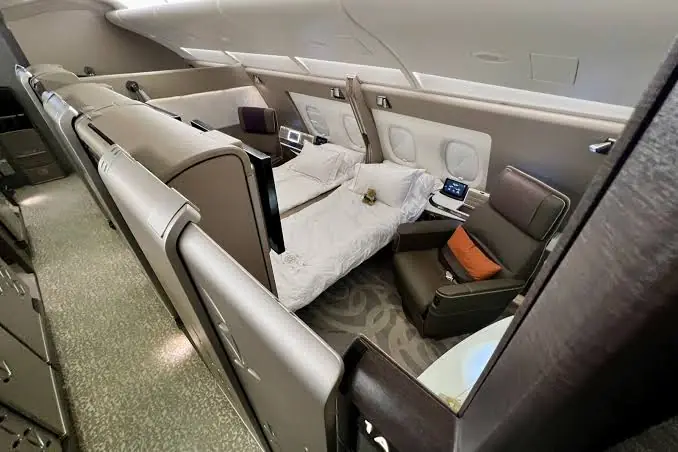
Common among East Asian legacy carriers, open suites prioritize roominess, wide seating, and smooth crew communication over physical doors. These layouts feel remarkably open while maintaining aisle privacy.
Dual Seat-and-Bed Suite Concepts
Certain airlines offer a separate permanent bed alongside a wide armchair within a single suite. Passengers can switch between working and resting without waiting for inflight crews to convert their seats.
Multi-Room Residence Layouts
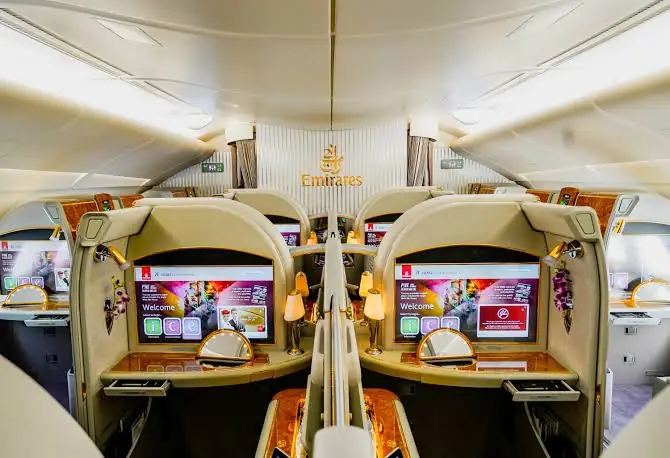
Located on select super-jumbo upper decks, multi-room suites provide separate living quarters, private vanity areas, and exclusive access to onboard shower facilities.
Long-Haul Suite Product Comparison Matrix
Practical Selection Logic
To evaluate the best first class suites for long haul flights effectively, passengers must weigh direct flight paths against suite design. A non-stop flight on an open suite is often preferable to a connecting flight on a multi-room suite when total travel time remains critical.
Evaluating Flight Durations
On flights under nine hours, direct routings maximize sleep time. Longer flights over fourteen hours justify connecting paths to access superior suite comfort.
Assessing Personal Priorities
Solo travelers often prefer fully enclosed suites for privacy. Companions may favor center suite layouts with retractable privacy dividers.
Detailed Real-World Scenarios
Analyzing practical travel scenarios demonstrates how real-world constraints shape booking choices.
Scenario 1: Transatlantic Gateway Repositioning
A passenger seeks an elite European ground experience from a secondary market. Booking a direct business class flight saves time but skips flagship lounge amenities. Taking a short feeder flight to a major gateway hub grants access to private first class check-in terminals, fine dining, and chauffeur transfers directly to the plane.
Scenario 2: Managing Last-Minute Award Inventory
An airline opens first class seats to partner programs only within 72 hours of departure. A traveler books a flexible business class award early as a safety net. Using inventory tracking tools, the passenger monitors availability. When first class space releases, the traveler rebooks immediately with minimal fees.
Scenario 3: Equipment Substitution Resolution
An airline changes scheduled aircraft models three weeks before departure, replacing an enclosed suite with an older seat layout. The passenger contacts customer service, presents the equipment change, and requests a penalty-free rerouting through an alternate hub operating the updated suite.
Scenario 4: Ultra-Long-Haul Multi-Carrier Itinerary
Designing a long-haul itinerary across partner airlines requires careful connection planning. Tight two-hour layovers increase the risk of delayed luggage or missed flights. Booking a four-hour layover provides ample time to enjoy ground lounges while protecting against unexpected flight delays.
Navigating Terminal Transfers
Major global hubs require changing terminals during connections. Booking longer layovers ensures smooth transit through international security checkpoints.
Managing Partner Misalignments
Different airlines maintain varied baggage and check-in policies. Verifying ticket details across partner carriers prevents delays at origin airports.
Planning, Cost, and Resource Dynamics
Evaluating premier suite options involves analyzing cash costs, loyalty point valuations, and secondary travel fees.
Financial Resource Dynamics Matrix
Evaluating Cash vs. Points Redemptions
Points represent stored financial capital. When cash surcharges on an award ticket approach the price of a discounted business class fare, using points yields lower financial returns. Travelers should calculate net redemption value before confirming bookings.
Calculating Net Cents Per Point
Determining redemption efficiency requires deducting cash taxes from full fare costs. Dividing the remaining value by total points used reveals true redemption performance.
Opportunity Costs of Transferable Rewards
Flexible points can be converted into cash or hotel rewards. Spending points on inflated award charts reduces overall portfolio flexibility.
Tools, Strategies, and Support Systems
Executing a long-haul suite strategy requires tracking platforms, search workflows, and layout analysis tools.
Essential Evaluation Tools
-
Global Inventory Aggregators: Specialized search engines tracking award seats across multiple airline networks.
-
Aircraft Tail Trackers: Live databases detailing specific aircraft registration numbers and assigned cabin sub-variants.
-
Seat Map Visualizers: Tools providing detailed cabin layouts, window alignments, and lavatory proximity details.
-
Flexible Points Portals: Financial platforms offering instant point transfers to partner frequent flyer programs.
Automated Inventory Alerts
Setting alert monitors notifies travelers when award space opens on preferred flight dates, eliminating tedious manual searches.
Aircraft Tail Verification
Checking assigned tail numbers before departure helps identify equipment swaps early, allowing timely itinerary adjustments.
Risk Landscape and Failure Modes
Unexpected operational disruptions can alter travel plans. Identifying risk factors helps protect long-haul itineraries.
Primary Risk Vectors
-
Aircraft Substitutions: Operational changes replacing flagship suites with legacy seating designs.
-
Phantom Award Availability: Search engine errors displaying unavailable award space that fails during ticketing.
-
Program Devaluations: Sudden award chart price increases enacted without prior notice.
-
Irregular Operations: Delays causing missed long-haul connections with limited replacement seats available for days.
Managing Phantom Inventory Risks
Verifying award availability across multiple search engines prevents points from becoming trapped in single airline programs.
Mitigating Operational Disruptions
Booking long-haul flights early in the day reduces compounding delay risks during transit connections.
Governance, Maintenance, and Long-Term Adaptation
Maintaining a successful travel strategy requires active management of loyalty reward portfolios and booking habits.
Portfolio Maintenance Checklist
-
Keep Points Transferable: Store rewards in flexible credit card accounts until live award space is verified.
-
Audit Expiration Dates: Monitor account activity rules to prevent frequent flyer points from expiring.
-
Track Aircraft Assignments: Check seat maps bi-weekly leading up to departure to spot equipment changes early.
-
Establish Backup Options: Identify alternative flights or business class routings in case primary space becomes unavailable.
Managing Currency Portfolios
Diversifying rewards across multiple credit card platforms insulates travelers against single-program devaluations.
Monitoring Schedule Revisions
Airlines adjust flight schedules seasonally. Reviewing reservation details monthly helps catch timing shifts early.
Measurement, Tracking, and Evaluation
Assessing flight values requires quantitative metrics along with subjective comfort observations.
Primary Evaluation Metrics
-
Net Valuation Per Point: Calculated as
(Equivalent Cash Fare - Taxes Paid) / Points Expended. -
Ground Integration Score: Rating check-in efficiency, lounge dining quality, and tarmac transfer convenience.
-
In-Flight Rest Quality Index: Assessing mattress padding, noise levels, temperature control, and bed length.
Tracking Sleep Quality Factors
Individual air nozzles and cool cabin temperatures significantly improve sleep quality during long overnight flights.
Evaluating Ground Service Efficiency
Private terminal processing speeds save valuable time, making connecting flights smoother and less stressful.
Common Misconceptions and Oversimplifications
Myth 1: Sliding Suite Doors Guarantee Exceptional Sleep
Doors offer visual privacy but do not block ambient cabin noise. Seat width, bedding quality, and cabin temperature matter far more for sleep quality.
Myth 2: Front Row Suites Are Always Ideal Choices
Front row suites sit close to forward galleys and lavatories, exposing passengers to light pollution and crew foot traffic.
Myth 3: Transferring Points Early Secures Award Seats Faster
Transferring points without verified award availability traps currency in an inflexible airline program. Always confirm live inventory before moving points.
Dissecting Suite Door Height
Low suite walls allow standing crew members to look inside. True privacy requires high partition walls or full-height enclosures.
Understanding Galley Disturbance Patterns
Night flights involve continuous galley preparation for breakfast service, creating light and noise near forward cabin rows.
Ethical, Practical, or Contextual Considerations
Evaluating long-haul first class suites involves understanding environmental and operational realities. Large private suites occupy substantial cabin floor space, resulting in a higher carbon footprint per passenger than economy seating. Taller travelers require generous footwells and full bed length, while passengers with reduced mobility benefit from suites situated closer to main boarding doors. Recognizing regional service variations helps travelers set realistic expectations and enjoy smooth interactions with inflight crews.
Environmental Impact Realities
First class cabin layouts reduce total seat capacity on wide-body jets, increasing per-passenger resource consumption.
Accounting for Physical Ergonomics
Seat cushion density and footwell height vary between carriers, directly impacting taller or broader passengers during rest.
Strategic Synthesis and Conclusion
Selecting premier long-haul flight options demands analytical research, realistic planning, and operational flexibility. By systematically evaluating suite architecture, ground amenities, reward program mechanics, and fleet risks, travelers can make informed decisions. Choosing the right product relies on matching personal travel priorities with optimal flight paths and aircraft layouts.
Ultimately, long-term success comes down to keeping reward points in flexible programs, using tracking tools effectively, and adapting when schedules change. With careful research and execution, transoceanic travel becomes a predictable, comfortable, and deeply satisfying experience.