How to Manage First Class Upgrade Costs: Strategic Yield Guide
Premium cabin travel has transformed from an exclusive luxury into a complex inventory management ecosystem. Airlines no longer rely solely on high-margin corporate contracts to fill front seats. Instead, sophisticated revenue management systems dynamically price premium spaces until the aircraft door closes. Passengers seeking elevated comfort must navigate a confusing landscape of cash offers, miles conversions, bidding platforms, and status-based mechanisms.
Understanding this system requires looking past surface-level travel hacks. Successful travelers evaluate premium seats using clear financial metrics, market conditions, and personal priorities. Uncontrolled spending on premium seating can quickly erode a travel budget, while rigid adherence to economy fares often means missing high-value opportunities.
Evaluating premium inventory requires a balanced approach to capital allocation. Cash outlays, loyalty currency valuations, and time commitments all represent tangible assets. A systematic framework allows travelers to assess the true value of upgrade offers against their operational travel requirements.
Understanding “how to manage first class upgrade costs”
Learning how to manage first class upgrade costs begins with analyzing revenue management algorithms rather than relying on chance. Modern airlines view every seat as a perishable asset with shifting valuations. Consequently, upgrade pricing fluctuates continuously based on passenger demand, seasonal patterns, and remaining cabin inventory.
Multi-Perspective Breakdown
Financial managers view upgrades as an exercise in marginal cost efficiency. The base economy fare covers necessary transportation, meaning any additional fee must directly justify its incremental value. Conversely, frequent travelers often view upgrades through an operational lens, evaluating gains in sleep quality, physical comfort, and productivity.
Airlines analyze upgrades through revenue optimization algorithms. They aim to extract the maximum willingness to pay from every passenger without diluting core premium fares. When direct sales slow down, carriers open dynamic upgrade windows to capture secondary revenue.
Misconceptions and Oversimplifications
Many travelers believe that first class upgrades follow predictable, static pricing rules. Another common fallacy is that dressing professionally or arriving early at the airport increases upgrade chances. Modern airline departure control systems distribute upgrades strictly through automated, algorithmic priorities.
Over-simplifying upgrade math also creates financial blind spots. Travelers often calculate cost strictly by comparing ticket prices, ignoring hidden factors like baggage fee savings, lounge access value, and accelerated miles earning rates.
Deep Contextual Background
Historically, premium cabins operated under static fare structures. First class seats remained largely vacant if corporate accounts or wealthy individuals did not purchase them at full price. Operational upgrades were handled manually by gate agents using subjective criteria or simple status hierarchies.
The Transition to Yield Management
The introduction of automated revenue management in the late 20th century transformed cabin distribution. Airlines realized that empty premium seats represented unrecoverable revenue loss. Carriers began introducing mileage-based upgrade programs to incentivize brand loyalty while filling unbooked space.
In recent years, machine learning algorithms have refined this process further. Carriers now track historical purchasing behavior to deliver targeted, personalized upgrade offers directly to mobile apps.
The Shift to Dynamic Bidding
Today, airlines increasingly rely on blind auction mechanics powered by third-party software platforms. This model allows carriers to capture consumer surplus without publicly lowering baseline premium ticket prices.
Conceptual Frameworks and Mental Models
The Marginal Value Framework
This model evaluates upgrades by calculating the precise cost per additional hour of comfort or productivity.
If an upgrade costs $400 for an eight-hour flight, the marginal expense equals $50 per hour. Travelers can compare this rate against their baseline hourly productivity or personal value metrics.
The Opportunity Cost Matrix
Using points or miles for upgrades creates an opportunity cost against future award redemptions.
The Total Travel Ecosystem Valuation
Upgrades alter the economic equation of an entire journey. A complete financial assessment must account for ancillary savings, including waived checked bag fees, complimentary premium meals, expedited security access, and airport lounge entries.
Key Categories or Variations
Understanding the mechanisms behind cabin upgrades allows travelers to deploy capital efficiently.
1. Direct Cash Upgrades
Cash offers appear during check-in or within managing booking menus. These transactions represent direct, fixed-price offers from the airline to capture immediate liquidity.
2. Mileage Award Upgrades
This option utilizes frequent flyer points, often combined with a fixed cash co-pay. It provides high value during peak seasons when cash fares spike.
3. Dynamic Bidding Systems
Passengers submit cash bids within a specified range before departure. System logic selects winning bids based on remaining seat capacity and bid strength.
4. Elite Status Certificates
Systemwide or regional upgrade certificates are awarded to high-tier loyalty members. These instruments bypass cash fees entirely, though availability remains constrained by inventory controls.
5. Day-of-Departure Gate Offers
Last-minute offers presented at the departure gate aim to monetize remaining unsold inventory. These rates are often deeply discounted but carry high availability risk.
6. Corporate Contract Fare Bundles
Enterprise travel agreements often include auto-upgrade clauses or discounted conversion rates negotiated at the institutional level.
Comparative Mechanics
Detailed Real-World Scenarios
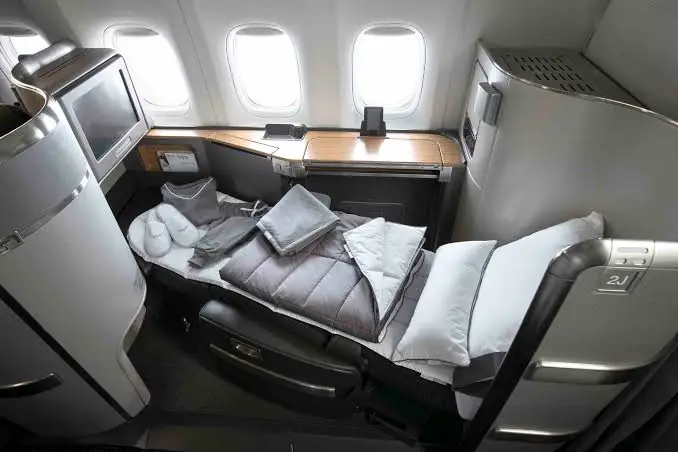
Scenario A: The Transatlantic Red-Eye
A business traveler faces a nine-hour overnight flight. Arriving rested is essential for a high-stakes morning meeting.
-
Constraint: Fixed arrival schedule with zero recovery time.
-
Decision Point: A $600 cash upgrade offer appears 24 hours before departure.
-
Evaluation: The traveler calculates the marginal cost at $66 per hour. The financial value of arriving fully rested outweighs the out-of-pocket expense.
Scenario B: The Short-Haul Domestic Hop
A leisure traveler flies a two-hour regional route on a mainline jet.
-
Constraint: Tight discretionary budget.
-
Decision Point: A $150 upgrade prompt displays at online check-in.
-
Evaluation: The marginal cost equals $75 per hour with minimal ancillary benefit. The traveler declines the offer, preserving funds for long-haul routes.
Scenario C: International Route with Mixed Award Inventory
A traveler holds 50,000 airline miles and considers an upgrade on a twelve-hour flight.
-
Constraint: High cash co-pay requirement ($350).
-
Decision Point: Choose between cash co-pay plus miles or waiting for a bid auction.
-
Evaluation: The traveler assesses point valuations and selects the bid auction, saving miles for future full-award tickets.
Planning, Cost, and Resource Dynamics
Effective management requires analyzing both visible charges and indirect expenses over time. Knowing how to manage first class upgrade costs helps mitigate sudden budget variance across multi-flight itineraries.
Capital Allocation Strategy
Travelers should maintain clear limits for cash and points transactions. Establishing predefined thresholds prevents impulsive purchases during the check-in window.
Tools, Strategies, and Support Systems
Strategy 1: Seat Availability Tracking
Monitoring cabin seat maps provides early signals regarding upgrade availability. High empty-seat ratios close to departure often trigger lower upgrade rates.
Strategy 2: Historical Bid Benchmarking
Tracking successful bid ranges on travel forums helps optimize bid amounts without overpaying.
Strategy 3: Dynamic Fare Alert Systems
Automated flight tracking tools alert travelers when baseline premium cabin prices drop, making direct rebooking cheaper than upgrading later.
Strategy 4: Co-Branded Credit Card Leverage
Utilizing card benefits—such as statement credits, fee waivers, and elite status boosts—offsets the net expense of cash upgrades.
Risk Landscape and Failure Modes
Non-Refundable Cash Losses
Cash upgrades are typically non-refundable. If a flight schedule changes unexpectedly, recovering upgrade fees requires manual intervention and administrative effort.
Equipment Swaps
Airlines occasionally change aircraft models shortly before departure. This shift can result in an older cabin layout or a downgraded seat configuration.
Irregular Operations (IROPS)
Flight cancellations often reset seat assignments. Upgraded passengers may be reassigned to economy class on alternative flights without immediate compensation.
Governance, Maintenance, and Long-Term Adaptation
Maintaining an effective travel strategy requires continuous review. Travelers should evaluate their upgrading performance annually to refine expenditure boundaries.
Measurement, Tracking, and Evaluation
A structured approach to tracking upgrades relies on combining numerical metrics with personal comfort goals.
Key Metrics Table
Common Misconceptions and Oversimplifications
Myth 1: Early Check-In Increases Upgrade Odds
Algorithms determine upgrade offers based on revenue algorithms and status level, not check-in sequence.
Myth 2: Gate Agents Distribute Free Upgrades
Modern departure software restricts manual overrides, requiring clear system authorization for every seat change.
Myth 3: Bidding the Minimum Always Fails
Minimum bids frequently succeed on low-occupancy flights during off-peak seasons.
Myth 4: Upgrades Always Include Lounge Access
Certain discounted upgrade fares explicitly exclude lounge privileges. Reviewing fare rules prevents unexpected surprises.
Ethical, Practical, or Contextual Considerations
Travelers must balance comfort against enterprise financial policies. Corporate rules often prohibit direct premium purchases while permitting personal out-of-pocket upgrades. Maintaining clear documentation prevents compliance issues with workplace expenses.
Conclusion
Understanding how to manage first class upgrade costs requires a deliberate combination of financial metrics and platform awareness. By shifting away from emotional decisions at check-in, travelers can systematically capture premium comfort at reasonable rates. Evaluating cash offers, bidding mechanisms, and point valuations through a clear framework ensures that every upgrade dollar delivers genuine value.