Common First Class Booking Mistakes: An Executive Analysis
Securing premium air travel involves navigating intricate commercial agreements, dynamic yield management algorithms, and diverse fleet configurations. While business and first class cabins promise superior comfort, passengers often encounter friction caused by minor booking oversights. Minor missteps during reservation can turn a major financial investment into a frustrating travel experience.
Modern commercial aviation relies on market segmentation. Airlines unbundle traditional fare structures, limit lounge access on entry-level business fares, and alter flight equipment on short notice. Navigating these factors requires examining ticket conditions beyond basic seat maps or marketing promises.
A systematic approach helps safeguard capital outlays and travel plans. Travelers who understand fare basis rules, aircraft seat geography, and partner ticketing vulnerabilities can protect their itineraries effectively. Strategic reservation practices ensure consistent value across all long-haul and regional trips.
Modern Revenue Segmentation
Airlines construct fares to capture maximum revenue from distinct passenger segments. High-yield corporate buyers often receive full-flexibility tickets with complete amenity access, whereas leisure travelers purchasing discounted premium fares face unbundled restrictions. Recognizing these structural boundaries prevents unexpected surprises at the departure gate.
Aircraft Diversity Risks
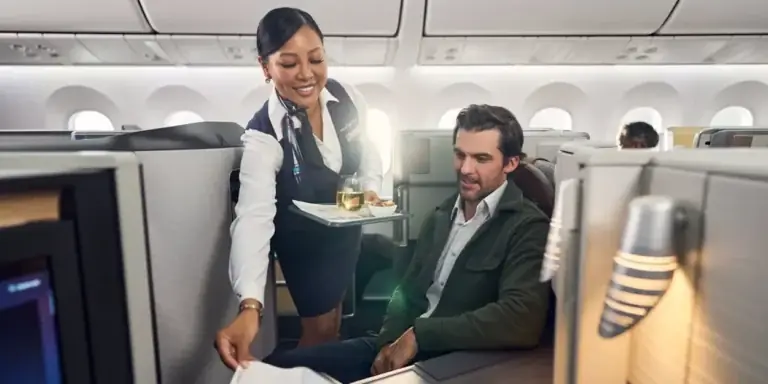
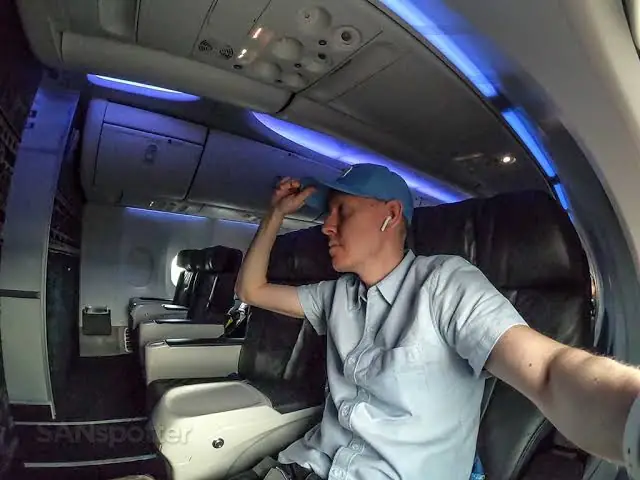
Carriers routinely deploy multiple cabin layouts across a single aircraft family. An airline operating transcontinental routes might fly both lie-flat suites and standard recliners under the same domestic first class label. Evaluating specific tail numbers and flight schedules remains essential for maintaining comfort standards.
Understanding “common first class booking mistakes”
Identifying common first class booking mistakes requires analyzing contract terms and operational realities rather than relying on brand advertising. Premium cabin classifications vary significantly across regional jets, narrowbody aircraft, and widebody flagships. Consequently, identical ticket labels do not guarantee consistent seating, catering, or ground services.
Structural Realities
Travelers often assume that every first class ticket includes access to premium flagship lounges. Many global airlines now issue entry-level business fares that explicitly exclude lounge privileges, advance seat assignments, and priority waitlisting. Inspecting fare code terms before purchase prevents unexpected access denials.
Airlines also enforce strict rebooking penalties on discounted front-cabin fares. Travelers who assume premium tickets are inherently flexible may face steep change fees or non-refundable cash losses when schedule adjustments occur.
Evaluation Failures
Another frequent error involves overvaluing mileage upgrades relative to direct cash purchases. Passengers sometimes spend substantial point balances alongside cash co-pays on routes where direct cash fares cost only slightly more. A comprehensive evaluation accounts for baggage allowances, lounge access values, and miles earning rates.
Deep Contextual Background
Historically, premium air travel operated under straightforward, all-inclusive fare tariffs. Purchasing a first class ticket guaranteed comprehensive benefits, including fully refundable terms, top-tier lounge entry, and flexible routing options across all flights.
The Transition to Segmented Fares
To compete with low-cost carriers on price search aggregators, full-service airlines unbundled front-cabin inventory. Discounted business fares were created to capture price-sensitive travelers while charging extra for traditional amenities.
This shift added significant complexity to ticket processing. Passengers must now verify whether a selected fare includes basic amenities like checked baggage or lounge access.
Fleet Heterogeneity and Equipment Swaps
Airlines expanded multi-fleet operations featuring various seating generations simultaneously. A single long-haul route might feature three distinct business class configurations across the week, creating variable experiences depending on aircraft scheduling.
Conceptual Frameworks and Mental Models
The True Product Equity Framework
This framework calculates actual physical space and privacy delivered per dollar spent.
Using this metric prevents overpaying for regional recliner seats sold at intercontinental price points.
The Fleet Uniformity Matrix
Evaluating fleet consistency helps assess the risk of unexpected aircraft substitutions.
The Ticket Flexibility Paradigm
Travelers must balance the lower cost of non-refundable, unbundled premium tickets against the operational protection provided by flexible fare categories.
Key Categories or Variations
Understanding reservation pitfalls helps travelers evaluate choices effectively.
1. Equipment Substitution Hazards
Carriers retain the contractual right to swap aircraft types prior to departure. Booking routes operated by mixed-fleet fleets increases the risk of being reassigned to older cabin layouts.
2. Restricted Unbundled Fare Tiers
Certain airlines offer entry-level premium fares that strip away lounge access, seat selection, and mileage accrual.
3. Mixed-Cabin Partner Itineraries
Award redemptions or multi-leg partner tickets can place passengers in economy on connecting legs without clear notifications during checkout.
4. Phantom Award Space Errors
Loyalty portals sometimes display award seats that fail to confirm during payment processing, temporarily locking up transferred point balances.
5. False First Class Labeling
Domestic regional flights frequently label standard recliner seats as first class, creating unrealistic expectations for international travelers.
6. Misaligned Partner Inclusions
Booking through partner airlines can create conflicting baggage policies and denied lounge entry due to mismatched interline agreements.
Comparative Failure Analysis
Detailed Real-World Scenarios

Scenario A: The Transatlantic Equipment Change
A passenger reserves a premium suite featuring sliding privacy doors for an overnight flight.
-
Constraint: Crucial requirement for uninterrupted sleep prior to morning business meetings.
-
Decision Point: The airline substitutes an older aircraft with angled-lie-flat seats two hours before departure.
-
Failure Mode: Inability to sleep fully flat causes physical fatigue.
-
Second-Order Effect: Reduced business performance invalidates the ticket expenditure.
Scenario B: The Unbundled Partner Award
A traveler transfers bank points to an international airline to book a partner business class ticket.
-
Constraint: Tight four-hour layover at a major transit hub.
-
Decision Point: The traveler attempts lounge entry but is turned away because the award was issued under a basic business fare tier.
-
Failure Mode: Lack of rest facilities forces unexpected airport dining expenses.
-
Second-Order Effect: Increased stress and unbudgeted out-of-pocket costs.
Scenario C: Regional Feed Misconnections
A passenger books an international first class ticket containing a regional connection.
-
Constraint: Strict checked baggage requirements for an extended trip.
-
Decision Point: The regional connection is operated by a turboprop jet with limited overhead storage.
-
Failure Mode: Luggage must be gate-checked, causing delays at the final destination.
-
Second-Order Effect: Disrupted local transfer arrangements.
Planning, Cost, and Resource Dynamics
Financial management requires anticipating hidden fees and opportunity costs. Avoiding common first class booking mistakes ensures that capital deployment aligns with actual delivered value.
Resource Allocation Rules
Travelers should weigh non-refundable cash costs against the security provided by refundable tickets or transferable point balances.
Tools, Strategies, and Support Systems
Strategy 1: Fleet Tracking Systems
Monitoring historical aircraft deployments on specific route numbers highlights equipment substitution risks.
Strategy 2: Fare Basis Code Inspections
Examining exact fare codes (such as J, C, D, Z, or P) reveals unbundled restrictions prior to purchase.
Strategy 3: Seat Map Auditing
Tracking cabin assignment maps exposes layout changes early, allowing timely rebooking if equipment swaps occur.
Strategy 4: Direct Operating Carrier Verification
Contacting operating airlines directly to confirm seat assignments on codeshare flights prevents gate-side errors.
Risk Landscape and Failure Modes
Contractual Disclaimers
Airline carriage conditions generally protect carriers against claims arising from equipment substitutions or schedule changes.
Irregular Operations (IROPS) Disruption
During weather delays, passengers on unbundled or partner-issued tickets may experience lower priority during manual rebooking.
Point Transfer Lock-In
Transferring credit card points based on phantom award availability leaves funds trapped within a single airline ecosystem.
Governance, Maintenance, and Long-Term Adaptation
A structured pre-booking audit helps travelers avoid common mistakes consistently.
Measurement, Tracking, and Evaluation
A structured evaluation framework helps track the real financial performance of premium travel strategies over time.
Key Performance Indicators
Common Misconceptions and Oversimplifications
Myth 1: First Class Tickets Always Include Flat Beds
Short-haul routes and older aircraft configurations frequently feature standard recliner seating.
Myth 2: All Premium Fares Include Lounge Access
Unbundled business and first class tickets frequently strip lounge privileges.
Myth 3: Partner Bookings Guarantee Identical Amenities
Operating carriers enforce their own baggage and seat policies regardless of ticketing origin.
Myth 4: Booking Far in Advance Guarantees Aircraft Choice
Airlines routinely adjust fleet assignments several months before scheduled departure dates.
Ethical, Practical, or Contextual Considerations
Travelers must balance comfort preferences against corporate expense guidelines and environmental factors. Higher-yielding premium tickets carry a larger carbon footprint per passenger mile. Evaluating travel necessity ensures responsible capital allocation and resource management.
Conclusion
Understanding common first class booking mistakes requires careful research and familiarity with modern airline operations. By evaluating aircraft fleet profiles, inspecting precise fare basis rules, and avoiding phantom award traps, travelers can secure true front-cabin comfort. A methodical pre-booking audit transforms expensive uncertainties into reliable, high-value travel experiences.