Top First Class Airline Cabins in America: Comprehensive Review
Evaluating front-cabin aviation across North America requires analyzing fleet deployment strategies, physical seat dimensions, and operational ground infrastructure. Commercial carriers divide their domestic products into distinct service tiers. Standard narrowbody recliners operate on short regional routes, whereas customized lie-flat suites with sliding doors service competitive transcontinental corridors.
Airlines allocate high-specification aircraft based on passenger demand and route profitability. Transcontinental routes connecting major coastal financial hubs feature sub-fleets built with international-grade seats. Secondary hub-to-hub routes rely on traditional narrowbody layouts designed to maximize passenger throughput.
Ground facilities play a vital role in determining overall passenger comfort. Private check-in facilities, dedicated security lanes, and exclusive airport lounges contribute significantly to overall trip value. Examining these combined elements allows travelers to identify which domestic flights deliver true operational utility.
Understanding “top first class airline cabins in america”
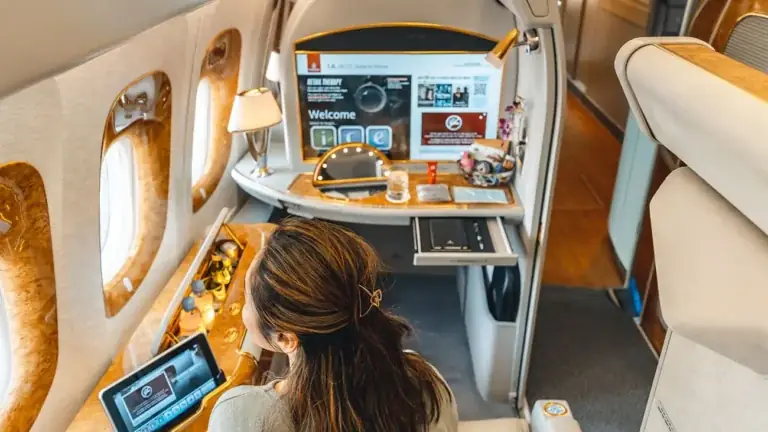
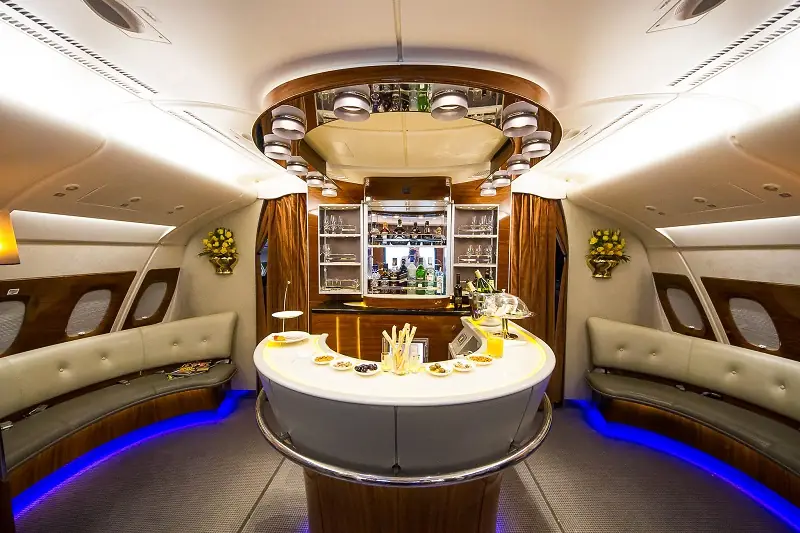
Analyzing the top first class airline cabins in america requires evaluating physical seat mechanics and route schedules rather than relying on promotional marketing. Domestic premium products differ significantly based on assigned tail numbers, route length, and market competition. A flagship product on a coast-to-coast route bears little resemblance to a standard recliner on a two-hour regional hop.
Multi-Perspective Breakdown
Corporate travel managers evaluate premium cabins through productivity metrics and scheduling efficiency. Base economy tickets fulfill fundamental transportation requirements, so additional expenses must provide measurable benefits in sleep quality or working comfort.
Airlines manage front-cabin seats using revenue yield calculations. Highly competitive routes justify investments in lie-flat seats and dedicated ground access. Feeder routes utilize standard recliner seats that balance basic comfort with seating capacity.
Product Discrepancies and Oversimplifications
Travelers often assume that domestic first class tickets automatically include airport lounge entry. Major United States carriers exclude lounge access from standard domestic first class fares unless the itinerary covers a designated transcontinental route.
Product quality also depends heavily on aircraft assignments. International widebody jets deployed on domestic routes offer lie-flat seats with direct aisle access. Standard narrowbody jets on parallel routes offer traditional recliners with limited tilt.
Deep Contextual Background
Domestic premium air travel originally offered standardized service across all domestic routes. Fares were regulated by government authorities, forcing carriers to compete on meal presentation and cabin space rather than physical seat engineering.
Regulatory Shifts and Fleet Unbundling
Following aviation deregulation in the late twentieth century, carriers reconfigured cabin layouts to increase seat count and revenue per seat-mile. Front cabins shifted toward standardized recliners, while lie-flat seats were reserved for long-haul international flights.
The Transcontinental Product Competition
Increased competition on coast-to-coast routes triggered renewed investment in domestic front cabins during the early twenty-first century. Major airlines introduced sub-fleets equipped with lie-flat seats, privacy doors, and enhanced meal services to attract corporate travel.
Today, domestic premium travel falls into two main categories: standard domestic first class across general routes and specialized flagship transcontinental products on competitive corridors.
Conceptual Frameworks and Mental Models
The Physical Space Value Framework
This model measures usable cabin space relative to ticket cost.
Calculating this metric prevents overpaying for narrowbody recliners priced similarly to transcontinental lie-flat suites.
The Integrated Journey Model
A complete evaluation examines the journey across ground processing, lounge amenities, and inflight services.
The Route Competition Matrix
This model predicts seat quality based on carrier competition along a route. High competition forces airlines to operate lie-flat aircraft, whereas low competition yields standard narrowbody recliners.
Key Categories or Variations
Domestic premium offerings vary based on aircraft configuration and route designation.
1. Transcontinental Flagship Lie-Flat Suites
Deployed on non-stop coast-to-coast flights, these products feature lie-flat beds, privacy doors, elevated dining, and lounge access.
2. International Widebody Domestic Repositioning Flights
Carriers occasionally fly widebody jets on domestic hub routes, offering lie-flat seats without full flagship catering.
3. Mainline Narrowbody Recliners
Standard first class cabins on Boeing 737 or Airbus A320 aircraft feature wider seats, extra legroom, and hot meals on longer flights.
4. Regional Jet Premium Cabins
Dual-class regional jets offer domestic first class in a 1-2 configuration, providing direct aisle access for single travelers.
5. Specialized Transcontinental Sub-Fleets
Narrowbody jets configured with lie-flat seating operate between major financial centers.
6. High-Density Leisure Corridor Products
Flights serving vacation destinations deploy dense premium seating with streamlined meal service tailored for leisure passengers.
Comparative Product Breakdown
Detailed Real-World Scenarios
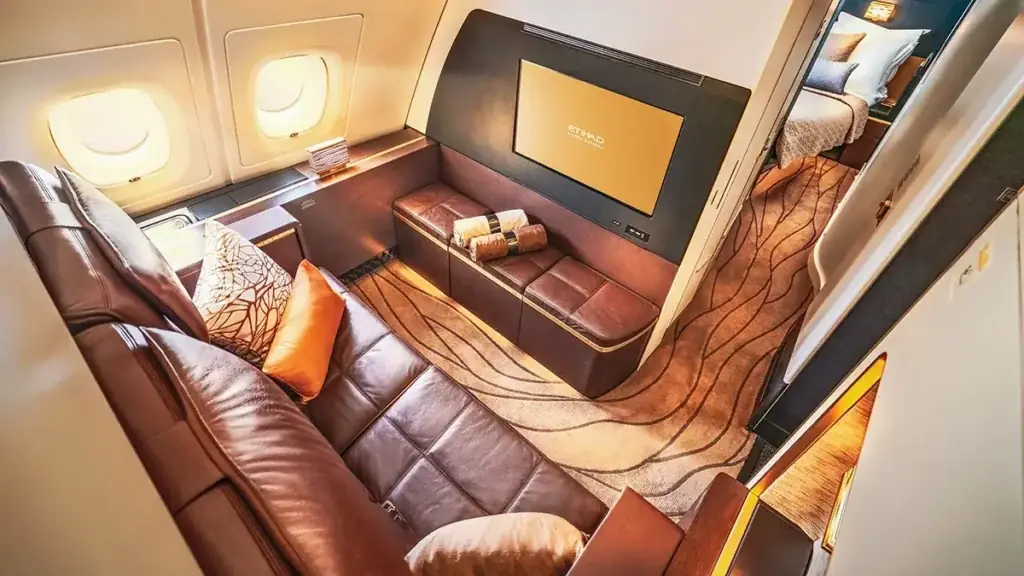
Scenario A: Transcontinental Executive Travel
A business traveler flies non-stop between New York (JFK) and Los Angeles (LAX) for a morning meeting.
-
Constraint: Must arrive rested with zero recovery time.
-
Decision Point: Choosing between a transcontinental suite and a one-stop connection on a narrowbody jet.
-
Evaluation: Selecting the flagship route provides a lie-flat bed and private ground access, justifying the fare premium.
Scenario B: Regional Hub Connection
A traveler flies from a mid-sized city to an international gateway with a tight connection.
-
Constraint: Short flight duration with carry-on luggage.
-
Decision Point: Upgrading to regional first class on a dual-class regional jet.
-
Evaluation: The 1-2 seating layout provides a single seat with dedicated overhead storage, avoiding gate-checks.
Scenario C: Hub Repositioning Flight
A leisure traveler flies between Miami (MIA) and Dallas/Fort Worth (DFW).
-
Constraint: Seeking lie-flat comfort on a moderate budget.
-
Decision Point: Choosing a flight operated by an international widebody aircraft over a narrowbody jet.
-
Evaluation: The widebody flight delivers a lie-flat suite for a standard domestic first class fare.
Planning, Cost, and Resource Dynamics
Evaluating domestic front-cabin value requires looking past baseline ticket prices to examine delivered features. Identifying true value among the top first class airline cabins in america helps travelers spend travel funds effectively.
Capital Allocation Strategies
Travelers should weigh cash fares against upgrade bids and point redemptions. Cash spent on transcontinental suites provides clear comfort benefits, whereas cash spent on short-haul recliners often yields lower returns.
Tools, Strategies, and Support Systems
Strategy 1: Fleet Tracking Platforms
Aircraft tracking tools help travelers identify specific aircraft registrations and confirm exact seating configurations before booking.
Strategy 2: Widebody Repositioning Discovery
Searching for domestic legs operated by widebody aircraft unlocks lie-flat seating at standard domestic fare prices.
Strategy 3: Dedicated Ground Access
Booking flagship transcontinental routes provides access to private check-in lounges, expedited security lanes, and dining facilities.
Strategy 4: Unbundled Fare Inspection
Reviewing exact fare codes ensures that selected premium tickets include expected benefits like seat selection and baggage allowances.
Risk Landscape and Failure Modes
Unannounced Equipment Substitutions
Airlines retain the right to swap aircraft types due to maintenance or operational disruptions. Replacing a lie-flat widebody with a narrowbody recliner significantly reduces product value.
Disrupted Ground Amenities
Lounge overcrowding or adjusted operating hours can reduce the value of ground benefits on premium transcontinental tickets.
Inconsistent Meal Service
Catering disruptions on short domestic legs or regional feeder flights can reduce meal options despite paying full premium fares.
Governance, Maintenance, and Long-Term Adaptation
Evaluating travel options systematically ensures consistent value delivery across itineraries.
Measurement, Tracking, and Evaluation
Tracking key performance metrics helps travelers evaluate the return on their premium fare investments over time.
Key Performance Indicators
Common Misconceptions and Oversimplifications
Myth 1: Domestic First Class Always Includes Lounge Access
Standard domestic first class tickets on United States carriers exclude lounge access unless tied to designated transcontinental routes.
Myth 2: All First Class Seats Are Lie-Flat
Most domestic first class seats are standard recliners; lie-flat suites operate mainly on transcontinental or widebody routes.
Myth 3: Premium Fares Guarantee Superior Catering
Meal service quality varies based on flight distance, departure time, and airport catering capabilities.
Myth 4: Larger Aircraft Always Provide Better Service
Flight crews on widebody jets serve a larger passenger cabin, which can slow down inflight service compared to narrowbody jets.
Ethical, Practical, or Contextual Considerations
Evaluating premium air travel involves balancing comfort against corporate travel policies and environmental impacts. Premium cabin seats occupy more space per passenger, leading to higher carbon emissions per seat-mile. Travelers can weigh these factors when deciding whether a premium booking is necessary for a route.
Conclusion
Evaluating the top first class airline cabins in america requires reviewing aircraft hardware, route competition, and ground amenities. By focusing on transcontinental routes, widebody repositioning opportunities, and dedicated ground access, travelers can secure exceptional comfort. A structured evaluation process ensures that every premium fare dollar delivers tangible value.