Best First Class Airport Lounges United States: Ground Analysis
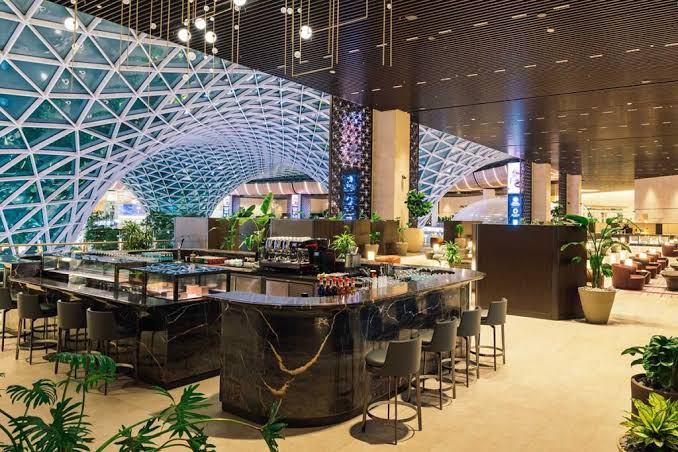
Airport ground infrastructure plays a crucial role in shaping premium international air travel. Ground amenities were historically viewed as basic waiting rooms furnished with simple seating and light refreshments. Today, top-tier international airport lounges operate as comprehensive hospitality spaces featuring full-service dining rooms, shower suites, private nap rooms, and dedicated workspace booths.
Airports across the United States feature a wide variety of ground amenities managed by legacy carriers, foreign airlines, and financial institutions. Evaluating these facilities requires looking beyond marketing promises to analyze access restrictions, real capacity limits, and culinary standards. Uncontrolled access often leads to severe overcrowding, whereas overly restrictive entry policies can leave dedicated spaces empty.
A thorough evaluation of ground facilities must examine operational consistency alongside architectural design. Dedicated check-in areas, private security access, high-quality dining options, and quiet working spaces all contribute to overall trip value. Understanding how different lounges operate allows travelers to choose itineraries that deliver genuine comfort on the ground.
Understanding “best first class airport lounges united states”
Evaluating the best first class airport lounges united states involves analyzing access criteria, service levels, and layout designs rather than relying on brand reputations. Ground amenities across the country vary significantly based on location, terminal layout, and carrier partnerships. Consequently, an airline’s primary hub lounge may offer a vastly different experience than its outpost locations.
Structural Realities across Lounge Networks
Financial managers evaluate premium airport lounges through productivity gains and travel efficiency. Basic membership clubs fulfill standard waiting needs, so access to top-tier lounges must provide clear advantages in quiet workspaces, shower amenities, or high-quality meals.
Airlines manage ground amenities using passenger segmentation and brand positioning. Highly competitive international gateways justify significant investments in full-service dining rooms and private shower suites. Secondary domestic locations rely on standard membership clubs designed primarily for high-density seating.
Entry Requirements and Capacity Limits
Travelers often assume that elite status or a standard first class ticket guarantees entry to top-tier lounges. Major United States legacy carriers systematically restrict access to their flagship international lounges, reserving entry for long-haul business and first class passengers.
Product quality also depends heavily on capacity controls. Lounges that grant entry through credit card memberships frequently face peak-hour crowding, which reduces service quality and workspace availability.
Deep Contextual Background
Historically, airport lounges in North America operated under a simple membership model. Passengers paid annual dues to access quiet waiting rooms equipped with phone lines, coffee stations, and basic comfortable seating.
Regulatory Changes and Service Segmentation
As international air travel expanded, domestic legacy carriers introduced dedicated flagship spaces to compete with foreign airlines. Premium ground amenities shifted away from standard annual membership clubs toward restricted spaces reserved for long-haul international passengers.
The Flagship Ground Infrastructure Expansion
During the late 2010s and early 2020s, major carriers invested heavily in purpose-built flagship spaces across primary international gateways. These locations introduced full-service dining rooms, shower facilities, and dedicated work booths to match international service standards.
Today, airport lounges across the United States fall into three main categories: standard membership clubs, credit card issuer facilities, and restricted flagship international spaces.
Conceptual Frameworks and Mental Models
The Usable Utility Ratio
This analytical model evaluates real passenger comfort relative to crowd levels and available amenities.
Calculating this metric highlights how peak-hour crowding can reduce the effective value of a lounge.
Integrated Ground Experience Model
A comprehensive evaluation assesses the ground journey across private check-in, security processing, lounge amenities, and boarding access.
Access Restrictiveness Matrix
This model predicts lounge service quality based on entry requirements. Stricter ticket requirements minimize overcrowding, protecting food quality and quiet workspace availability.
Key Categories or Variations
Ground amenities across United States airports vary significantly based on operating model and entry rules.
1. Carrier Flagship First Class Spaces
Reserved exclusively for long-haul international first class passengers, these locations offer full-service dining, private shower suites, and personalized attendant care.
2. Carrier International Business Class Facilities
Designed for long-haul business class passengers, these locations feature extensive hot buffets, sit-down dining options, and quiet work spaces.
3. Financial Institution Network Outposts
Operated by major credit card issuers, these locations offer chef-designed menus and open bars, though they frequently face peak-hour crowding.
4. Foreign Airline Alliance Hub Lounges
Maintained by international carriers at major United States gateways, these facilities feature regional food options and quiet resting areas.
5. Standard Airline Membership Clubs
Domestic membership lounges prioritize high-density seating, basic beverages, and light snacks for frequent travelers.
6. Independent Pay-Per-Visit Outposts
Commercial facilities accessible via single-entry passes offer basic seating and internet access away from public gate areas.
Comparative Lounge Feature Breakdown
Detailed Real-World Scenarios
Scenario A: Long-Haul Transatlantic Transit
An executive flies non-stop from Chicago to London with a three-hour layover.
-
Constraint: Need for quiet work space and a full meal before an overnight flight.
-
Decision Point: Choosing between a credit card lounge and a flagship international lounge.
-
Evaluation: Selecting the flagship carrier lounge provides full-service dining and quiet seating, avoiding crowded public spaces.
Scenario B: Transcontinental Connection
A traveler flies from New York to San Francisco on a premium transcontinental ticket.
-
Constraint: Need for shower facilities and stable internet during a short layover.
-
Decision Point: Accessing a dedicated carrier transcontinental facility versus a standard domestic membership club.
-
Evaluation: Using the specialized transcontinental facility grants access to shower suites and quiet working booths.
Scenario C: Peak-Hour Domestic Layover
A traveler holds a premium credit card during a Friday evening connection in Atlanta.
-
Constraint: Tight 60-minute layover in a busy terminal.
-
Decision Point: Joining a waitlist for a credit card lounge versus using a quieter partner airline space.
-
Evaluation: Choosing the quieter partner lounge saves time and provides reliable seating.
Planning, Cost, and Resource Dynamics
Evaluating the financial dynamics of airport lounges requires comparing ticket costs against ground amenity value. Identifying high-value facilities among the best first class airport lounges united states helps travelers make informed booking decisions.
Strategic Value Allocation
Travelers should weigh cash fares and credit card annual fees against the actual ground amenities provided. Investing in international premium tickets grants access to exclusive flagship lounges, whereas paid memberships often lead to crowded domestic spaces.
Tools, Strategies, and Support Systems
Strategy 1: Access Eligibility Verification
Checking specific ticket fare codes prior to travel confirms access privileges for international and transcontinental flagship lounges.
Strategy 2: Peak-Hour Capacity Monitoring
Utilizing mobile apps to track lounge capacity alerts travelers to wait times at busy airport locations.
Strategy 3: Dedicated Ground Entrance Utilization
Utilizing private check-in lobbies and security lanes connected directly to flagship lounges saves significant time at major airport hubs.
Strategy 4: Foreign Partner Lounge Utilization
Accessing alliance partner lounges at major United States gateways often yields quieter spaces than domestic carrier facilities.
Risk Landscape and Failure Modes
Unexpected Access Denial
Airlines frequently restrict entry during peak departure windows, excluding domestic status holders or partner passengers to manage capacity.
Terminal Navigation Restrictions
Lounges located in non-connected terminals require passing through security multiple times, reducing usable layover time.
Crowding Service Disruptions
Overcrowded lounges experience longer food line waits, reduced seating availability, and limited access to shower amenities.
Governance, Maintenance, and Long-Term Adaptation
Evaluating lounge options systematically ensures consistent comfort across all itineraries.
Measurement, Tracking, and Evaluation
Tracking key ground metrics helps travelers evaluate the true value of premium ticket investments over time.
Performance Tracking Matrix
Common Misconceptions and Oversimplifications
Myth 1: First Class Tickets Always Grant Lounge Access
Standard domestic first class tickets on United States carriers exclude lounge access unless paired with designated international or transcontinental routes.
Myth 2: Credit Card Lounges Superior to Airline Facilities
While credit card lounges offer quality buffets, airline flagship spaces provide full-service dining rooms and quieter environments.
Myth 3: Elite Status Guarantees Domestic Lounge Entry
Legacy carriers restrict domestic status holders from accessing flagship lounges on standard domestic flights.
Myth 4: All Lounges Within an Airport Offer Same Quality
Amenities vary significantly across terminals, ranging from basic seating spaces to full-service flagship facilities.
Ethical, Practical, or Contextual Considerations
Evaluating airport lounges involves balancing personal comfort against ticket costs and travel efficiency. Ground facilities consume significant physical terminal space and energy resources. Travelers can weigh these factors when deciding whether flagship lounge access justifies higher fare premiums.
Conclusion
Navigating the best first class airport lounges united states requires understanding access rules, terminal layouts, and service levels. By focusing on flagship international spaces, dedicated check-in facilities, and partner lounge networks, travelers can secure exceptional ground comfort. A structured pre-travel review ensures that every premium ticket delivers tangible value before departure.